
Boxing Day is the New Black Friday (And Your Site Isn't Ready)
Boxing Day is the New Black Friday (And Your Site Isn't Ready)
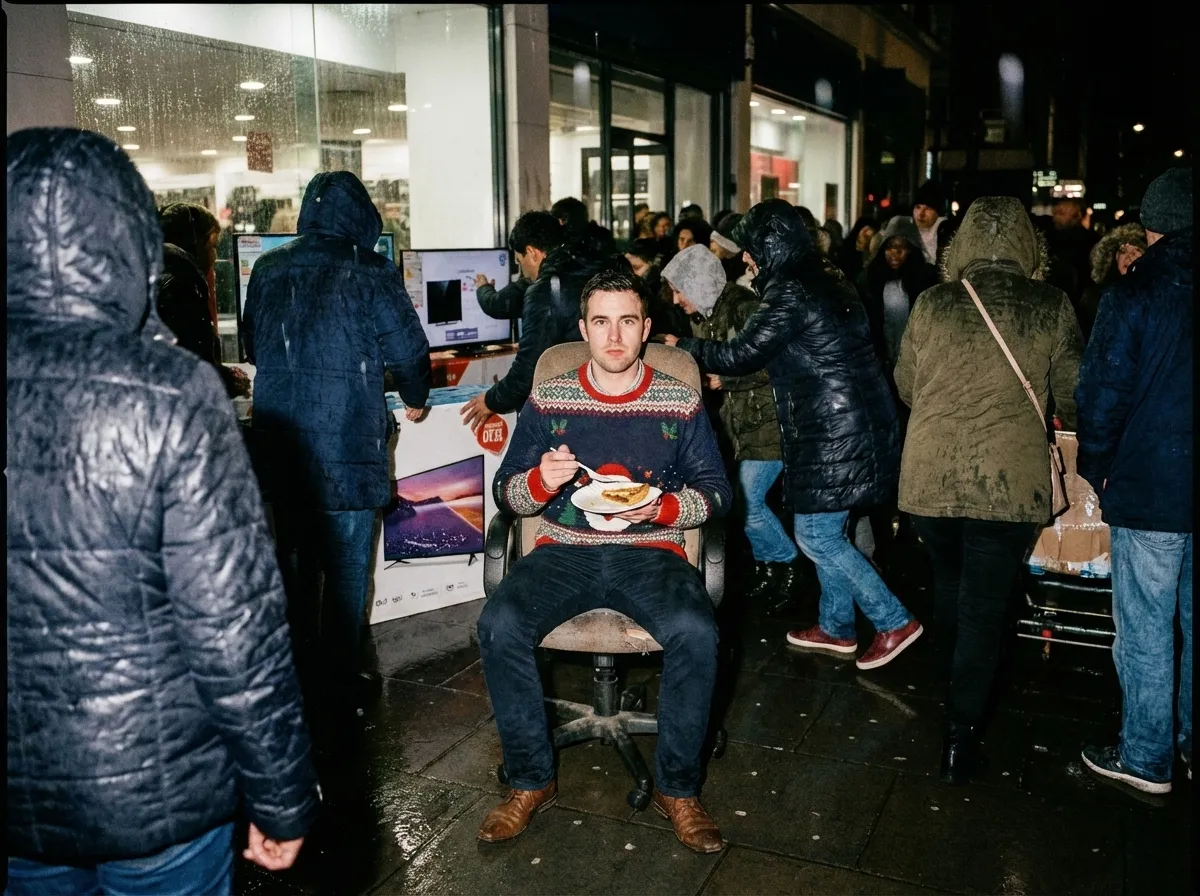
Your BFCM war room is empty. The Slack channels have gone quiet. Someone brought in leftover pie.
Meanwhile, 10,000 miles away, your UK customers are sharpening their credit cards for the biggest shopping day of their year.
December 26 isn't a recovery day. It's D-Day for half the English-speaking world. If you sell internationally, your "post-holiday downtime" is about to become a very expensive mistake.
The Numbers You're Ignoring
Let's talk scale. Boxing Day generates:
- £4.6 billion in the UK (single day)
- A$1.3 billion in Australia (single day)
- C$2.8 billion in Canada (single day)
That's over $10 billion across three markets. On one day. While your team is eating reheated ham.
Here's what Akamai's retail platform data shows for US-serving websites on December 26:
- UK traffic: +106% above baseline
- Canadian traffic: +137% above baseline
- Australian traffic: +71% above baseline
Your servers don't care that it's a US holiday. Neither do your customers.
Black Friday vs. Boxing Day: The Real Comparison
"But Black Friday is bigger," you say. True. But "smaller than Black Friday" still means billions.
| Metric | Black Friday (UK) | Boxing Day (UK) |
|---|---|---|
| Total Spend | £9+ billion | £4.6 billion |
| Average Discount (Apparel) | 37.7% | 40.2% |
| Online Purchase Share | ~60% | 63.9% |
| Mobile Traffic Share | 54% | 58%+ |
| Year-over-Year Online Shoppers | Flat | +3.6% |
The discounts are actually better on Boxing Day. DataWeave found some products with 82% Boxing Day discounts versus 20% on Black Friday. Savvy shoppers know this. They're waiting.
And here's the kicker: Canada's Boxing Day week was the only week during the entire 2023 holiday season that showed unit sales growth (+5%). Everything else declined. Boxing Day isn't dying. It's the last bastion of holiday momentum.
Why US Brands Get Caught Flat-Footed
The assumption is simple and wrong: "The holidays are over."
Most US e-commerce operations design infrastructure around BFCM. December 26? That's when you scale down, not up. Support teams take PTO. Engineers go dark. The CDN gets dialed back.
But your international customers didn't get the memo. And the traffic patterns are brutal:
- First UK traffic peak: 10:30 AM GMT (5:30 AM Eastern, while you're sleeping)
- Highest traffic volume: 8:30 PM GMT (3:30 PM Eastern, when your skeleton crew is counting down to 5)
- Mobile share: 58-65% of all traffic
The overnight window (midnight to 9 AM local) produces shopping carts averaging 40% higher than daytime purchases. Your best customers are shopping while your site runs unmonitored.
The Compounding Chaos: Three Surges at Once
Boxing Day isn't just a sales spike. It's three simultaneous stress tests:
1. New Sales Traffic
The obvious one. But with 63.9% of UK purchases happening online (John Lewis, M&S, and Next all closed their physical stores on Boxing Day 2024), your website is the only door.
2. Returns Processing
Loop Returns processed 159,000+ returns on Boxing Day alone, more than the entire month of December 2018. Peak hour hit 4 returns per second. Returns volume grew 15% YoY, with apparel (50% of all returns) up 19%.
Your returns portal and your sales checkout share infrastructure. When one surges, both suffer.
3. Gift Card Redemption
An estimated 11.8 million people shopped online on Christmas Day specifically to spend gift cards. That momentum carries directly into Boxing Day. Gift card systems often run on separate technical stacks with different integration points, and they fail under load in ways your main commerce platform doesn't.
Three concurrent peaks. One understaffed day. The math doesn't work.
The Cost of Getting It Wrong
The most catastrophic Boxing Day failure on record: Australian retailer Myer's website went down on Christmas Day 2013 and stayed offline for over a week. Despite a $9 million infrastructure upgrade, the system collapsed under 7,000 concurrent users.
The result? Competitor David Jones reported a 100% increase in online sales while Myer's site was dark. Market share doesn't wait for your servers to reboot.
More recent data points:
- Costco (Thanksgiving 2019): 16.5 hours of downtime, $11 million in missed sales
- J.Crew (Black Friday 2018): Repeated checkout crashes, estimated $700,000-$775,000 in losses
- ASOS (UK): Nearly 20 hours offline from a third-party data center outage
Queue-it research shows 91% of large e-commerce businesses report downtime costs exceeding $300,000 per hour. Boxing Day runs about 12 peak hours. Do the math.
5 Things to Check Before December 26
Your Boxing Day Survival Checklist:
Scale your CDN and servers NOW. Don't wait for traffic to spike. Pre-provision for 2x your normal December baseline, with automatic scaling enabled for Commonwealth time zones.
Staff support for GMT/AEST hours. Your 9-5 Eastern coverage leaves UK evening shoppers (your highest-value segment) completely unmonitored. Rotate coverage or hire temporary international support.
Stress-test your gift card integration. Gift card systems often run on separate stacks. Load test specifically for concurrent redemption + purchase flows. This is where hidden failures live.
Pre-stage your returns portal. Returns volume will hit 4x normal levels. Ensure your RMA system can handle the load without degrading checkout performance.
Monitor fraud vectors. Credential stuffing attacks remained elevated on Boxing Day 2018 with 17.1 million attacks. Bots don't take holidays. Neither should your security posture.
The Opportunity Nobody's Talking About
Here's the flip side: while your competitors scramble with crashed servers and angry international customers, you can capture market share by simply showing up prepared.
Boxing Day shoppers are self-gifting: using Christmas money and gift cards on themselves. They're younger (83% of Gen Z planned to participate vs. 65% of Millennials), they're spending more (Gen Z averages £471), and they're making first impressions of brands they received as gifts.
This is acquisition and retention happening simultaneously. Miss it, and you lose twice.
The retailers winning Boxing Day aren't treating it as an afterthought. They're treating it as a second peak, because for their international customers, it is.
Don't Let December 26 Catch You Sleeping
Your Black Friday infrastructure was built for American traffic patterns. Boxing Day demands something different: global scale, 24-hour coverage, and systems designed for compound load.
That's exactly what Fanfare was built for. Our infrastructure handles the triple-peak chaos of sales, returns, and redemption without the 3 AM crashes or skeleton-crew scrambles. Because your international customers deserve a checkout experience that works, even when your team is on holiday.
Boxing Day is in three days. Your competitors are either panicking or preparing. Which one are you?
Ready to stop treating international peaks as afterthoughts? Let's talk about infrastructure that doesn't sleep.
WANT TO TURN YOUR NEXT LAUNCH INTO AN EXPERIENCE?
Join the waitlist to get early access to Fanfare and start building a community of fans, not just customers.