Google Wants to Own Shopping. Brands Need to Own the Experience.
Google Wants to Own Shopping. Brands Need to Own the Experience.
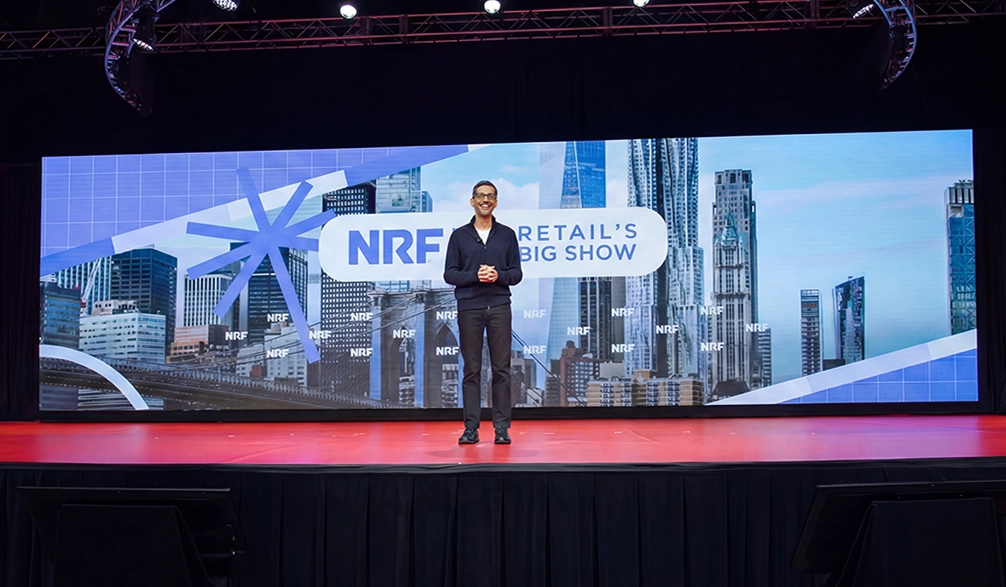
Last week at NRF 2026, Google said the quiet part out loud.
With its new agentic commerce push (Universal Commerce Protocol, Business Agents, and Direct Offers) Google made one thing clear: it doesn't just want to send shoppers to brands anymore. It wants to be the store.
Search. Gemini. AI Mode. The whole loop.
If you're Google, that's a clean win. If you're a brand, it's a threat to how you've been operating.
The Shift: From Destination to Intermediary
For years, brands chased traffic via SEO, paid search, landing pages, and conversion tweaks.
The deal was simple: "Google sends the shopper. We do the rest."
Agentic commerce changes the rest.
Now Google can:
- Show a shopper an offer before they click anywhere
- Let them chat with a brand through a "Business Agent"
- Serve exclusive deals inside AI Mode through Direct Offers
So the shopper may never hit your homepage. They may never see your site design, your product storytelling, your checkout flow. Your brand shows up as a card. Your product becomes one option in a ranked list.
That's a hard place to stand out.
Why This Creates a New Problem
When shopping gets compressed into one interface, you lose leverage.
You lose context. You don't control the framing, the comparisons, or what the AI decides is "relevant."
The price gets louder. AI is built to optimize. It's not built to make someone care.
And, worse still, loyalty gets ripped right out of your hands. If Google knows the shopper's intent, budget, size, preferences, and timing, who really owns the relationship?
The uncomfortable reality: performance may get easier while differentiation gets harder. Your numbers can look fine while your brand gets thinner.
What Still Breaks Through
Here's what doesn't fit neatly into an AI card.
Anticipation. Scarcity. Status. The feeling of being early, being chosen, being part of it.
AI can show a deal. It can't make someone want to tell a friend.
That's why the brands that win in an agentic-commerce world won't rely on "being discovered." They'll give people a reason to show up.
This takes many different forms:
- A drop you set an alarm for
- An IRL activation worth leaving the house for
- A release with real scarcity, not "limited" in name only
- Access that feels earned, not randomly assigned by an algorithm
Google might be able to agent its way into shopping. But no brand can agent its way into culture or conversation.
Why Drops Matter More Than Ever
If fewer shoppers land on your site, your site stops being the main event. The moment does. And nothing magnifies a moment better than a dope drop.
A good drop does a few things AI can't do for you:
- Creates urgency. People don't browse a drop. They arrive on time.
- Rewards loyalty. Early access, private windows, real perks for real fans.
- Pulls people into channels you control. SMS, email, community, in-person.
When AI owns the middle of the funnel, brands have to own the beginning and the memory.
The New Question for Brand Marketers
Old: "How do we get people to our site?"
New: "Why would anyone leave Google for us?"
The answer doesn't sit with cleaner metadata or yet another discount.
It'll be a better experience. One that feels like something happened.
Where Fanfare Fits
Fanfare is built for this shift.
We help brands run drops that people plan around: fair access, bot resistance, and launch flows that don't melt down under demand. We capture the audience that shows up (not just the ones who convert) so the moment turns into a relationship you can build on.
Agentic commerce is coming whether brands like it or not.
Brands that keep treating commerce like a product page will get boxed in. Brands that treat it like an event will still break through.
Add a little flourish of fanfare to your next event, and tell agents and bots to f*ck off.
WANT TO TURN YOUR NEXT LAUNCH INTO AN EXPERIENCE?
Join the waitlist to get early access to Fanfare and start building a community of fans, not just customers.